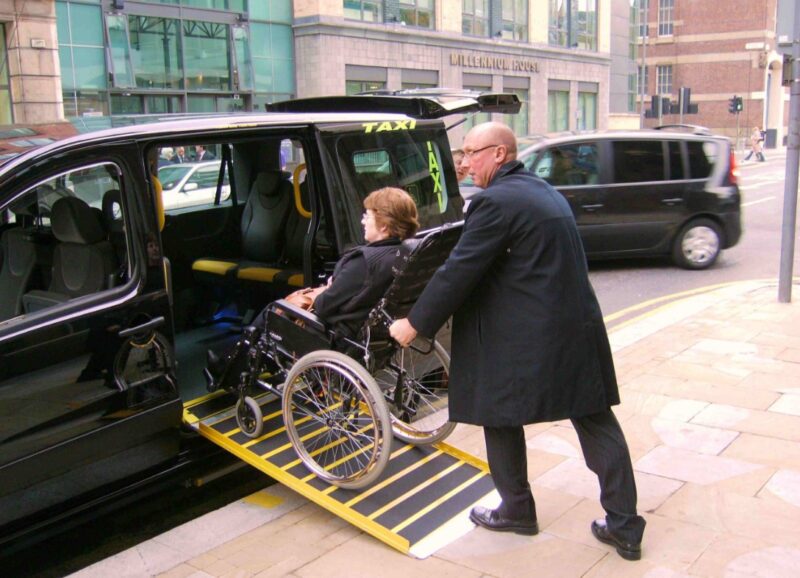
Transport can be essential for helping people with disability attend appointments, travel to work, participate in community activities, and complete everyday tasks. The NDIS may provide transport-related support when a participant cannot use public transport without substantial difficulty because of their disability.
However, transport funding is not automatically included in every plan. The available support depends on the participant’s circumstances, goals, mobility needs, and approved NDIS funding. Participants should check their plan before assuming that a particular journey or service can be covered.
When Can NDIS Funding Cover Taxi Travel?

Taxi costs may be supported when the transport is considered reasonable, necessary, and connected to the participant’s disability-related needs. Eligible journeys could include travel to work, education, medical appointments, therapy sessions, shopping, or community activities.
The participant’s ability to drive or use buses, trains, and other public services may be considered when transport support is assessed. The level of funding can also depend on how frequently the participant travels and the type of assistance required.
Participants should review the transport section of their NDIS plan or speak with their plan manager, support coordinator, or relevant NDIS contact. This can clarify which journeys are covered, how the funding can be used, and what evidence or records must be retained.
How to Book and Pay for an NDIS Taxi

When arranging a taxi, provide the pickup address, destination, travel time, passenger number, and any accessibility requirements. Passengers using wheelchairs or other large mobility equipment should request a suitable vehicle and explain their needs clearly.
It is sensible to choose a provider with experience transporting passengers with disability. For an NDIS taxi number that can provide experience and a safe service, click here. Before travelling, confirm that the provider offers the required vehicle and accepts the participant’s intended payment method.
How the journey is paid for depends on whether the participant’s plan is self-managed, plan-managed, or agency-managed. A self-managed participant may pay an eligible cost and keep the necessary records, while a plan-managed participant may need the provider to send an invoice to the plan manager.
Participants should retain receipts, invoices, booking confirmations, and journey details. Records should clearly show the provider, travel date, amount charged, and purpose of the trip. Good documentation makes it easier to track spending and respond to questions about how funding was used.
What Other Transport Services May Be Supported?

Depending on the participant’s approved plan, transport support may extend beyond standard taxis. Possible options can include wheelchair-accessible vehicles, community transport, rideshare services, or specialised transport provided as part of another disability support.
The NDIS may also fund assistance that helps a participant build confidence and independence when travelling. This could involve learning to use public transport, receiving support during a journey, or developing skills needed to plan routes safely.
Not every travel expense will be eligible. Ordinary transport costs that are unrelated to disability support may remain the participant’s responsibility. Funding cannot simply be transferred between categories unless the plan and applicable management rules permit it.
Conclusion
NDIS funding may be used for taxis and other transport services when the support is included in the participant’s plan and relates to their disability needs. Eligibility, payment procedures, and available funding vary between participants.
Before booking regular journeys, check the plan, confirm the provider’s suitability, and understand how payments will be processed. Clear records and accurate booking information can make NDIS-funded travel safer, easier, and more dependable.