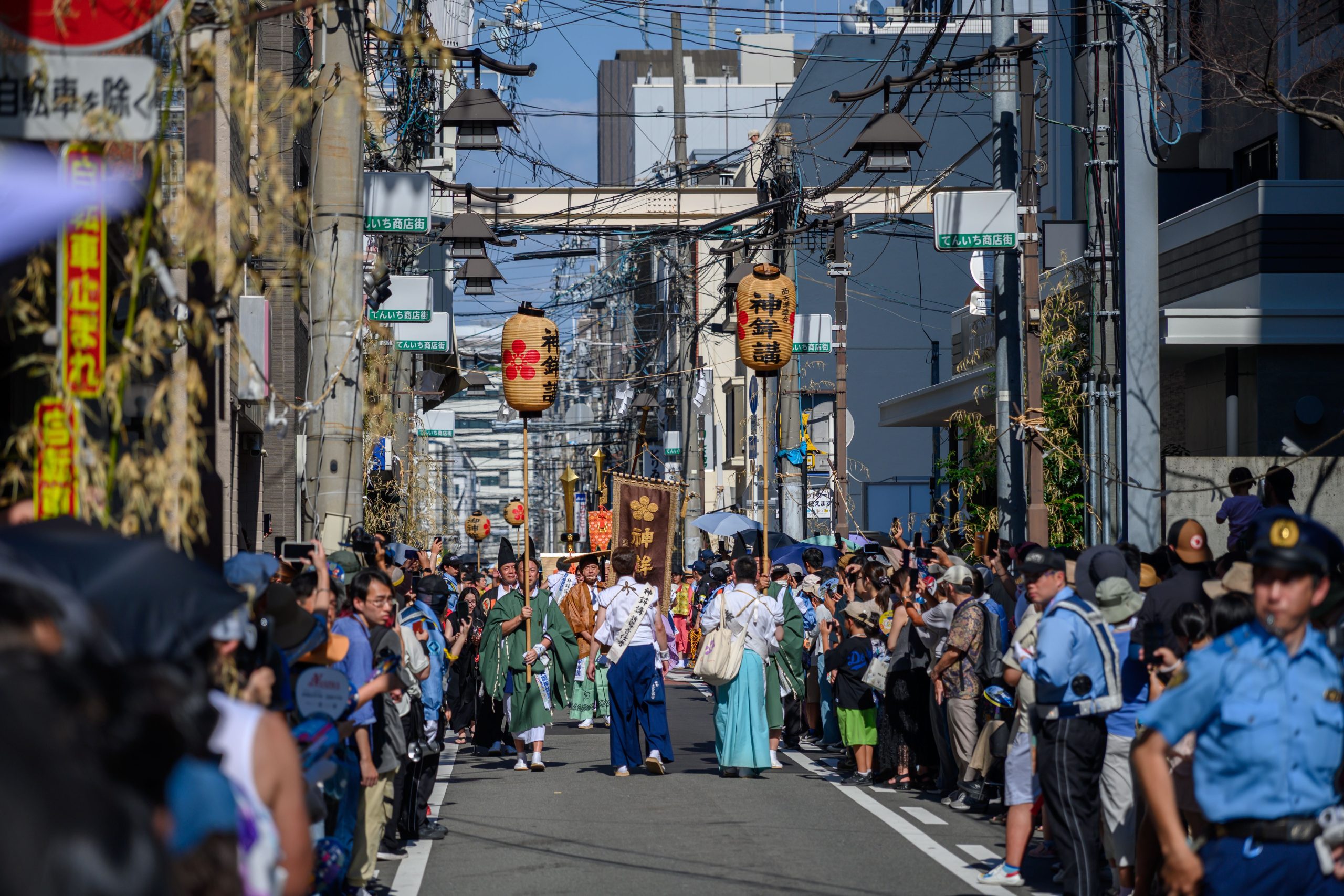
A parade down a single main street looks like the least consequential public event imaginable. A farmers’ market, a folk dance in a field, a few hundred neighbors closing off a block for an afternoon: none of it writes legislation, moves interest rates, or shows up in a national budget line. That is precisely why it now matters more than it used to.
The machinery of political decision-making has been drifting upward for decades. More authority sits with national governments, central ministries, and party headquarters; less sits with the towns and regions where people actually live. As that happens, the informal work of holding a community together – the trust, the shared identity, the habit of showing up – has to be done somewhere. Increasingly, local festivals are one of the few places left where it happens at all.
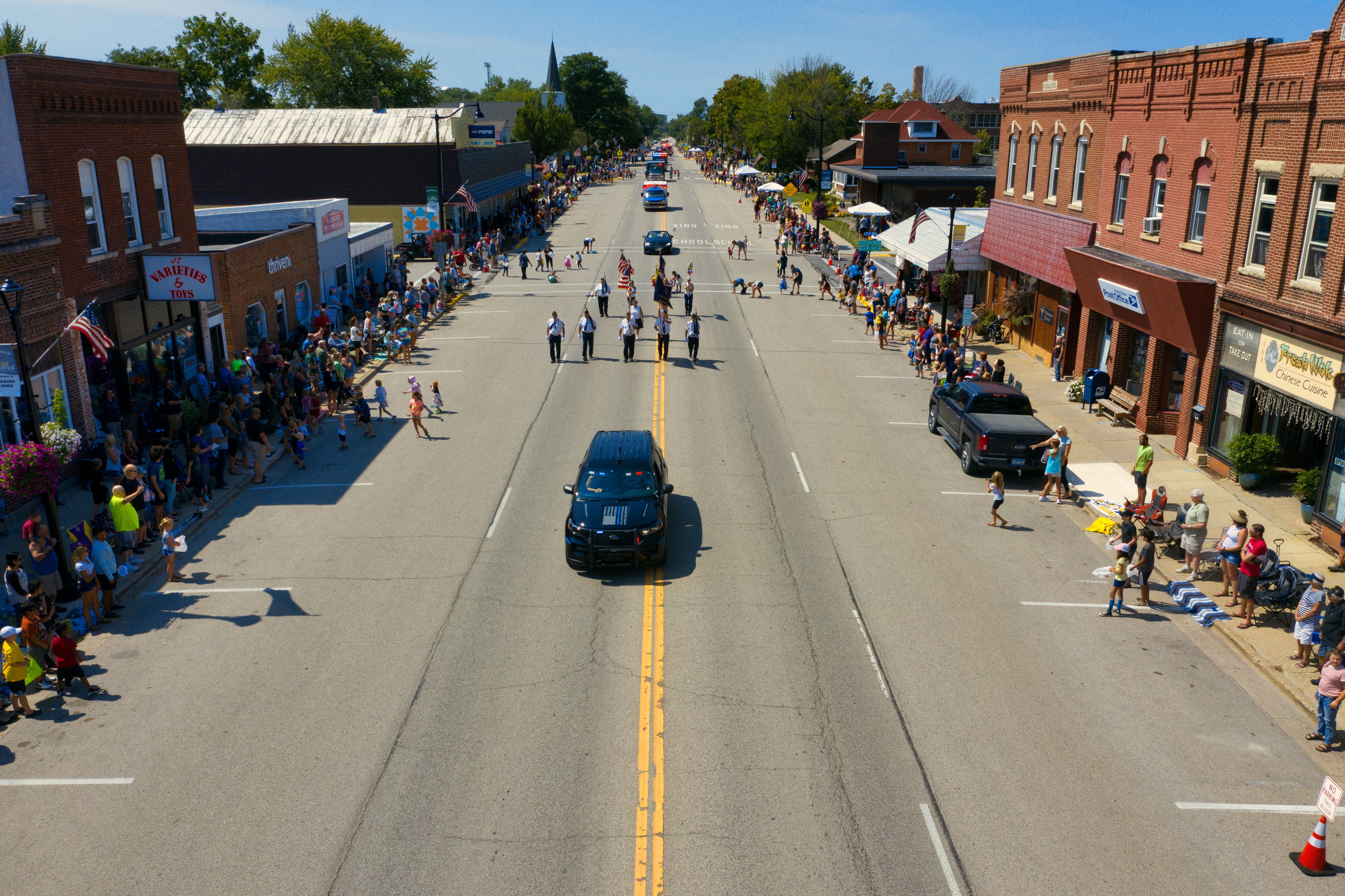
What “centralization” looks like when you measure it
Centralization is often discussed as a mood, but it shows up in data too. In its Democracy Report 2025, the V-Dem Institute estimated that about 72% of the world’s population lived under autocratic rule by the end of 2024, while liberal democracies hosted less than 12% – the smallest share in five decades. That is a broad measure, and it bundles together very different political systems.
A narrower gauge is the fate of subnational elections. A 2024 study published in Perspectives on Politics found that the share of democracies holding elections below the national level fell from roughly 94% in 2002 to 90% in 2022, a pattern the author described as “electoral centralization.” Over the same period, the same analysis found, more countries experienced democracy moving in different directions at the national and local levels at once.
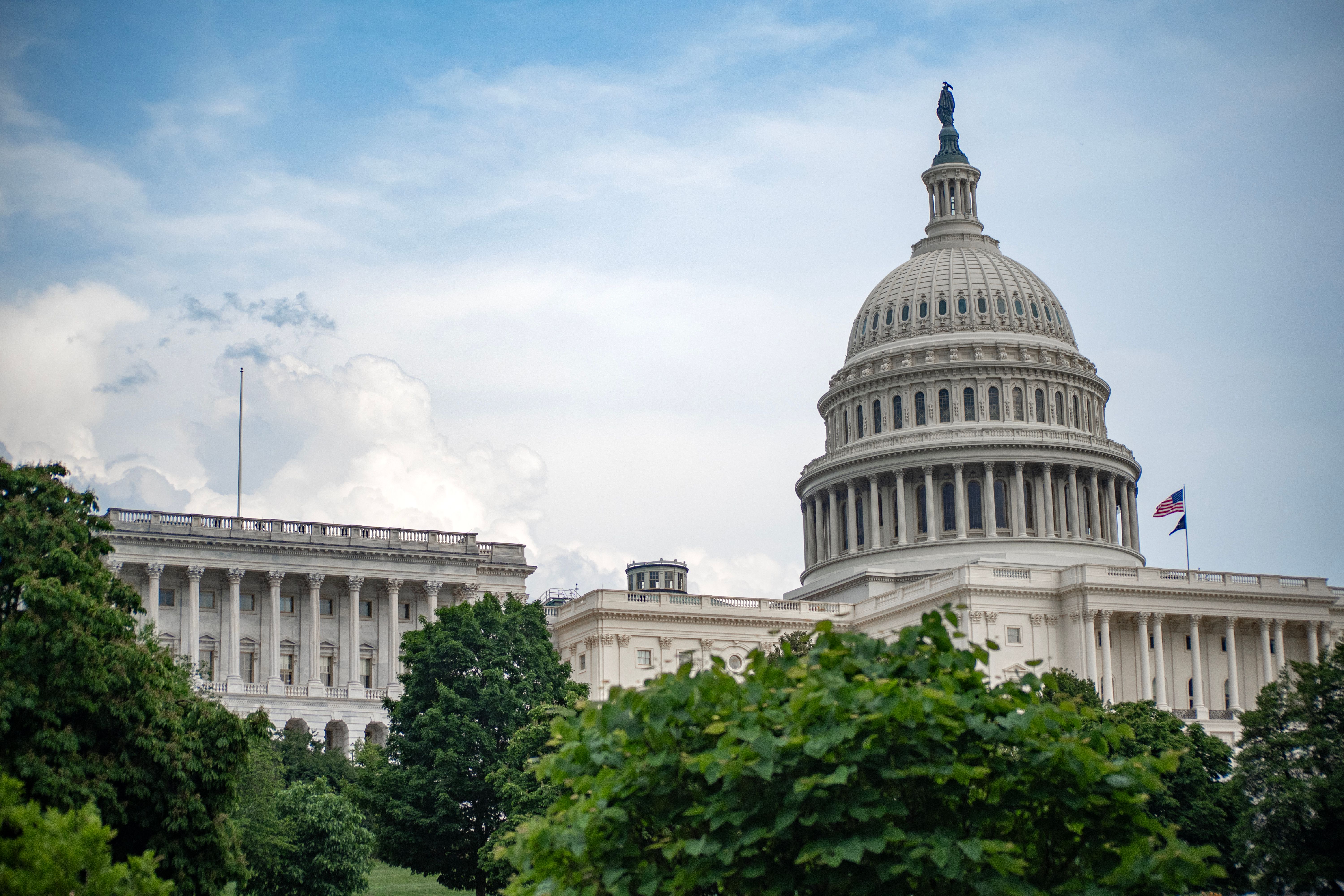
It is worth resisting the assumption that centralization is always a loss. A study of Taiwan’s 2010 consolidation of local government found that reducing the power of local decision-makers improved access to healthcare and raised confidence in local government, in a setting where earlier decentralized arrangements had been associated with patronage. The OECD’s own review of decentralization trends notes that countries have moved back and forth between decentralization and recentralization for decades, and that the right balance depends on state capacity, funding, and accountability. The question is rarely “central or local” in the abstract; it is what each tier is actually able to deliver.
The local tier is where a lot of trust still lives
There is a consistent pattern in public-opinion data: people trust the institutions closest to them more than the ones furthest away. In the OECD’s Government at a Glance 2025, about 39% of respondents across surveyed countries reported high or moderately high trust in their national government, while local government sat at 45% and national parliaments at 37%. The OECD also found that the single strongest factor behind trust was whether people felt they had a voice: 69% of those who felt heard trusted the national government, against 22% of those who felt they did not.
Gallup’s 2025 governance polling in the United States found a similar gap, with 65% trusting local government to handle local problems and 59% trusting their state government, both well above federal figures. The same research noted that federal trust has become sharply tied to which party holds power, a dynamic that is much weaker at the local level, where many offices are nonpartisan and the issues are less nationalized.
The erosion, in other words, is not a general collapse of faith in institutions. A 2025 study in the British Journal of Political Science, drawing on more than 3,300 surveys across 143 countries between 1958 and 2019, found that trust in representative bodies – parliaments, governments, parties – has generally declined, while trust in implementing institutions such as the police and civil service has been stable or rising. What is weakening is confidence in national electoral politics specifically. Local life is not immune to that mood, but it is where a lot of the remaining trust is stored.
What a festival does that a statute cannot
UNESCO’s 2003 Convention for the Safeguarding of the Intangible Cultural Heritage treats festivals, rituals, and festive events as living heritage – practices transmitted from one generation to the next and recreated by the communities that hold them. The convention is explicit that safeguarding does not mean freezing a tradition in place. It means keeping the conditions for transmission alive, and it requires the widest possible participation of the communities involved.
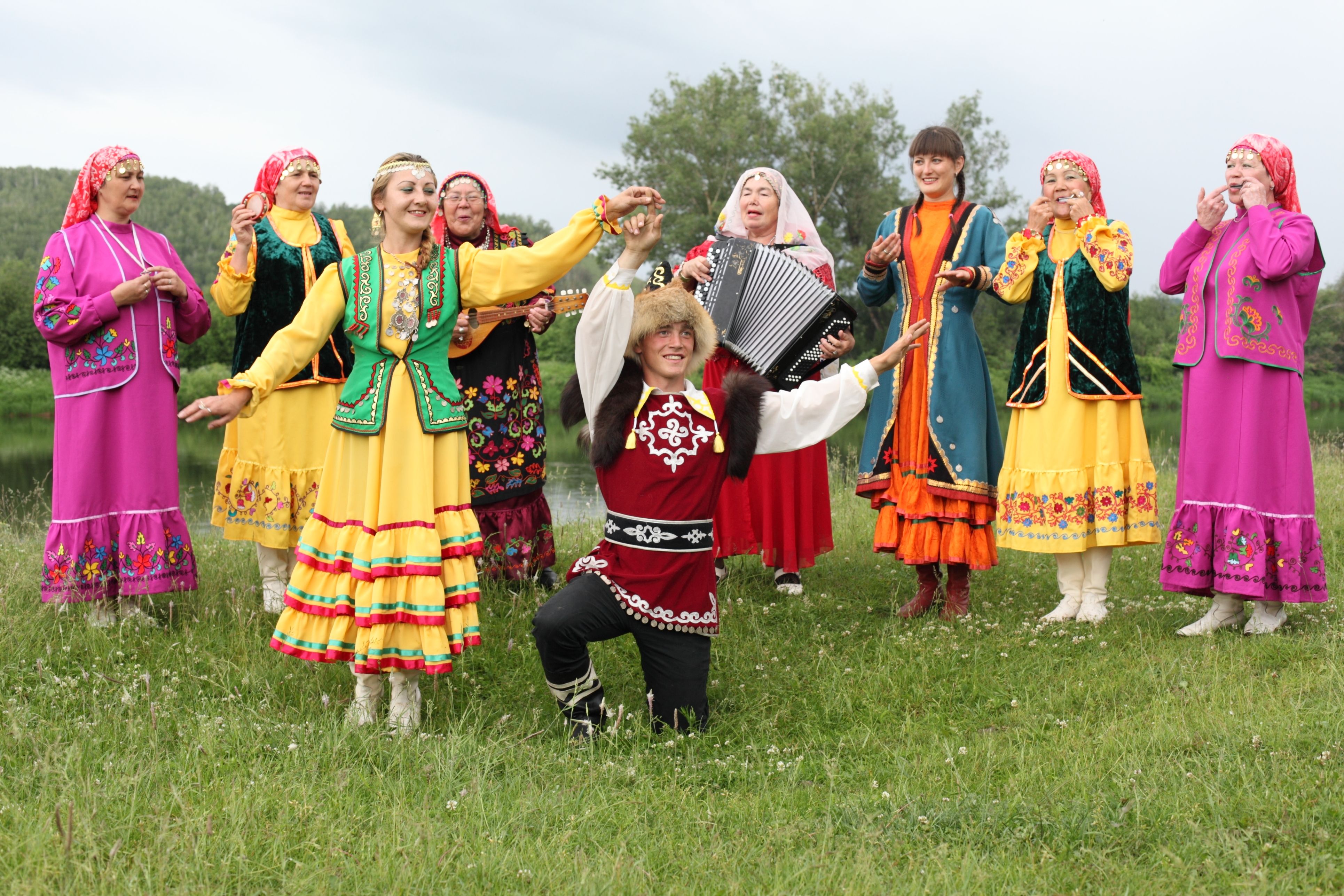
A body of social-science research backs the intuition that these gatherings do measurable work. Studies across Europe, Asia, and Latin America have linked participation in local festivals to stronger social ties, greater interpersonal trust, a stronger sense of belonging, and higher self-reported well-being. The effects vary by community, and researchers caution that the same events can deepen existing divisions if they are not designed inclusively – a point worth holding alongside the positive findings.
The economics are real, even when nobody budgets for them
Festivals are usually discussed as culture, but they are also small economic engines, and the numbers can be substantial. A 2025 UNESCO report on arts and culture festivals in Southern Africa found that ten festivals across nine countries generated over USD 11.7 million in economic activity and supported nearly 3,000 jobs in 2024. For every dollar invested in festival production, the report estimated an additional $2.51 in local economic activity; 61% of attendees came from outside the host area, and 45% of the artists were local.
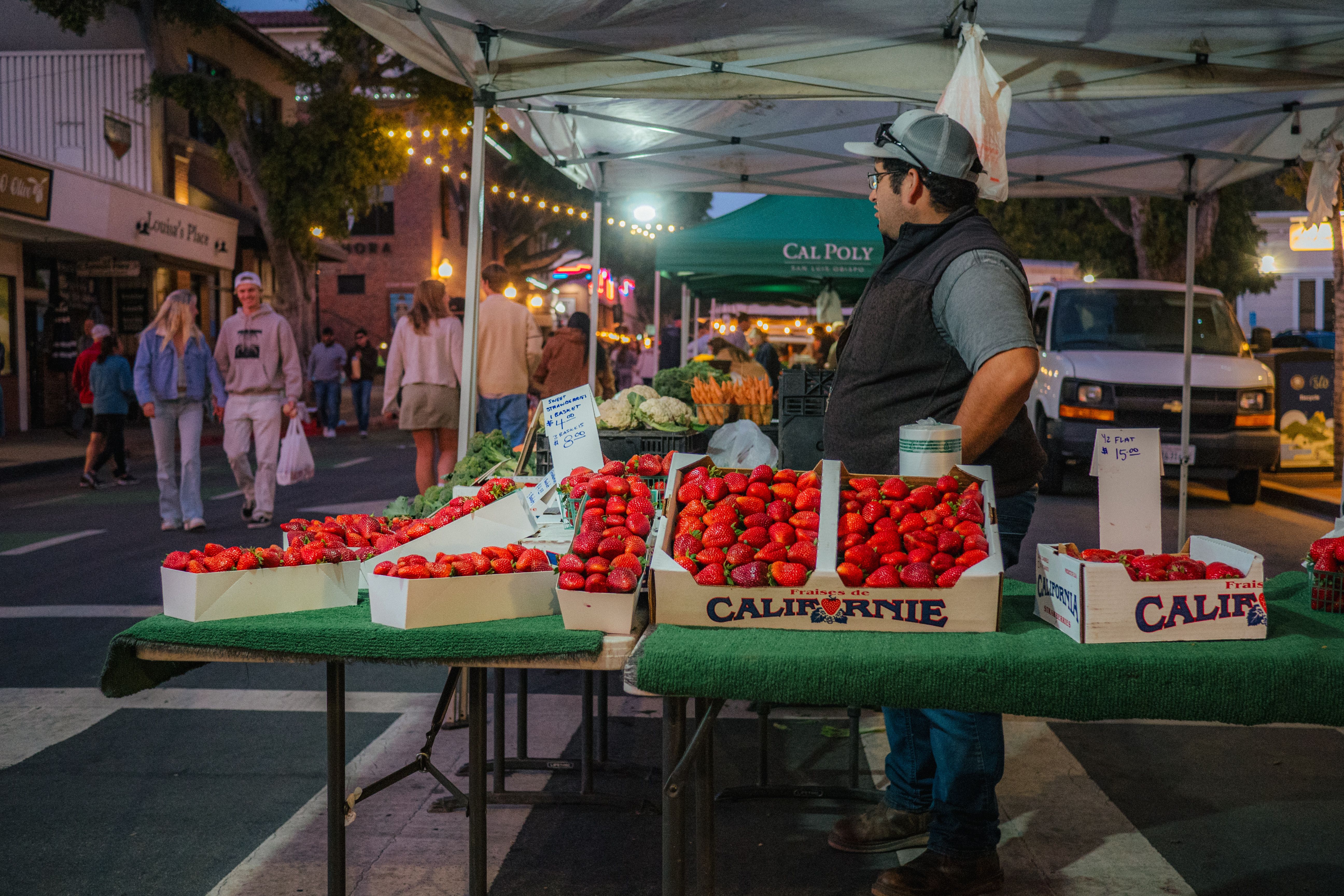
Those figures come with caveats. Economic-impact estimates depend heavily on how spending is counted and on whether visitors would have spent their money in the area anyway. What the research does support is the direction of the effect: money spent inside a local economy tends to circulate within it, supporting vendors, venues, and hospitality businesses that national policy rarely targets directly.
The civic dividend, and where it stops
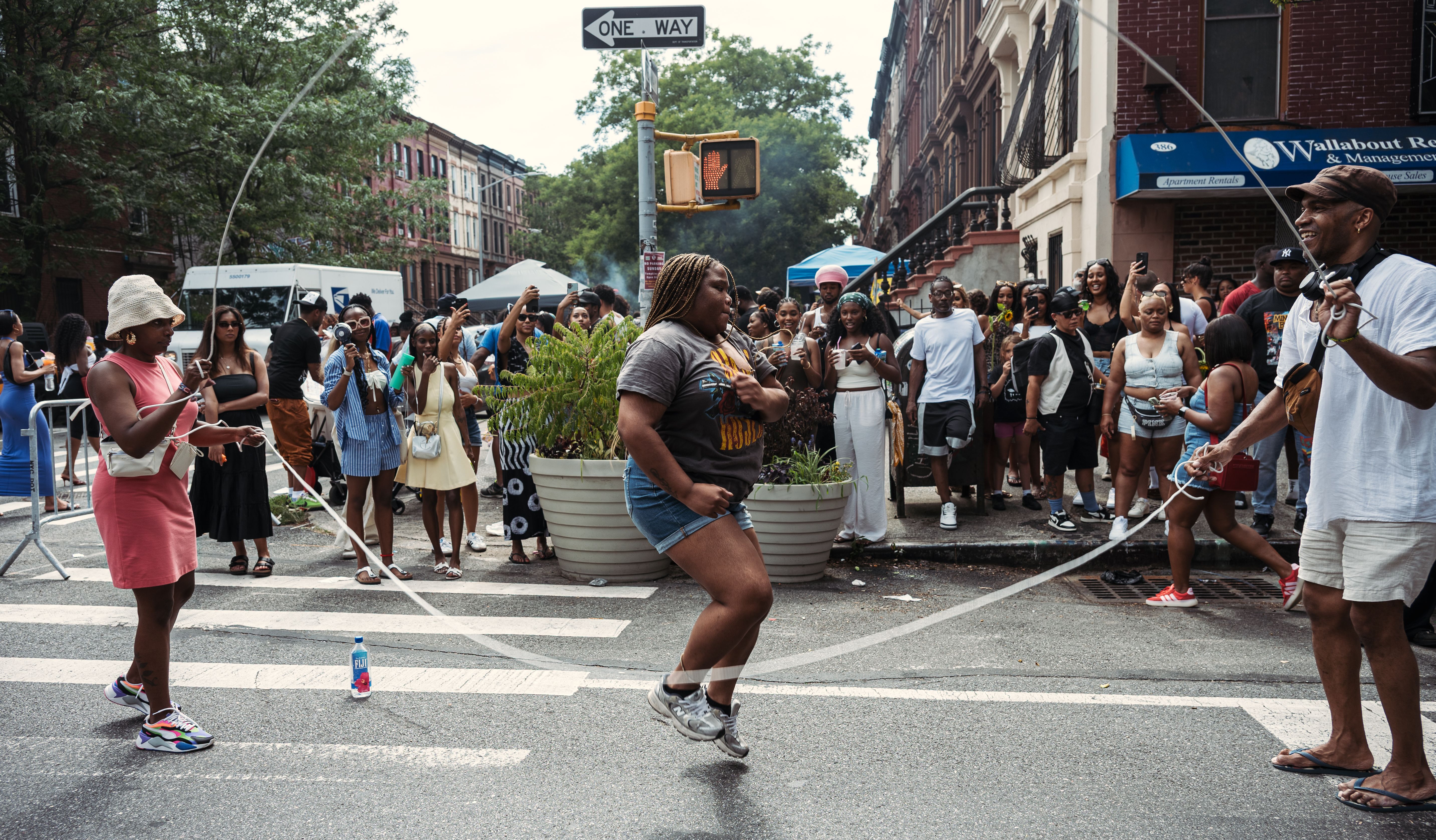
Perhaps the most surprising evidence concerns politics itself. A study published in 2024 in Urban Affairs Review matched voter files against city permits for neighborhood block parties in Philadelphia and found that living on a block that held a party was associated with a turnout increase of roughly 1.5 to 2.8 percentage points. The author noted this was comparable to established predictors of voting and larger than the average effect measured for many get-out-the-vote interventions, with particularly visible associations in African American neighborhoods.
But the relationship is not automatic, and the evidence says so. A separate study of saint’s day fiestas in Mexico, published in the British Journal of Political Science, found that fiestas falling close to an election were associated with a decrease in turnout of about 2.5 to 3.5 percentage points. The authors suggested that dense community activity can sometimes crowd out or compete with formal political participation rather than feeding it. The honest conclusion is that community life and civic engagement are connected, but the connection depends on context.
Local identity is reshaping politics, not just culture
The same local attachment that sustains a festival can also show up at the ballot box. In a 2025 state election in Sabah, a state in eastern Malaysia, voters turned away from national parties toward state-based ones, a result that regional affairs coverage analyzed as a sign of state-level identity asserting itself within a federal system. The dynamic is not unique to one country. Where people feel that decisions are made far away and without them, local and regional identity tends to become more salient, and cultural events are one of the places where that identity is maintained between elections.
The counterargument worth taking seriously
It would be tidy to conclude that festivals are an unqualified public good. They are not, and the research is candid about the risks. Scholarship on urban festivals has documented cases where events are repackaged as branding tools, where rising visitor numbers push up costs and displace the residents they were meant to serve, and where a celebration marketed as inclusive remains, in practice, passive for most attendees. There is also a basic limit: no parade substitutes for a functioning clinic, a reliable bus route, or a school. Festivals can strengthen the social fabric that public services depend on, but they are not a replacement for public investment.
What this means for the people who run them
For organizers, the practical implication is to treat social outcomes as real outcomes. Funding applications that can point to documented effects – local spending, volunteer hours, first-time participants, partnerships with schools and civic groups – tend to be more persuasive than those that speak only of atmosphere. Pairing a once-a-year event with year-round institutions, from markets to clubs to local media, helps the relationships it creates survive the other 51 weeks.
For funders and local governments, the evidence argues for measuring what these events actually produce, and for recognizing that cultural policy is also social policy. For residents, the bar is lower and higher at the same time: showing up is the whole mechanism. A festival cannot make a town govern itself, but it is one of the few remaining settings where neighbors encounter one another as something other than strangers.
Frequently asked questions
Do local festivals really have a measurable economic impact?
They can. A 2025 UNESCO report on ten Southern African festivals estimated over USD 11.7 million in economic activity and nearly 3,000 jobs in 2024. Such estimates depend on methodology and local conditions, so they should be read as indicators rather than universal figures.
Why do people tend to trust local government more than national government?
Survey data from the OECD and Gallup consistently show higher trust in local institutions than in national parliaments and governments. Analysts often attribute this to proximity, a greater sense of voice, and the fact that many local issues are less politically polarized.
Are festivals formally recognized as cultural heritage?
Yes. UNESCO’s 2003 Convention for the Safeguarding of the Intangible Cultural Heritage includes festive events among the practices it protects, and it emphasizes community participation and the transmission of knowledge across generations.
Do festivals increase voter turnout?
The evidence is mixed. A study of Philadelphia block parties found a positive association with turnout, while a study of saint’s day fiestas in Mexico found a short-term decrease in turnout when a fiesta fell near an election. Context matters.
Does political centralization make local festivals more important?
Many researchers and cultural organizations argue that it does, because local events sustain the identity and social trust that centralized institutions rely on but cannot easily create. The strength of the effect depends on the community and how the events are run.
Belonging is a local technology
The case for local festivals does not rest on nostalgia, and it does not require romanticizing small towns. It rests on something more practical: as authority moves upward and national politics becomes more distant and more polarized, the ties that hold a place together have fewer places to form. A festival is not a solution to that problem. It is a demonstration that the problem is solvable, one afternoon at a time, by people who simply decide to stand on the same street.