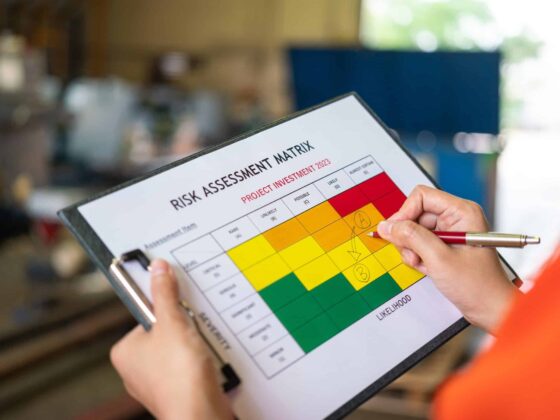
Schools, colleges, training centres, and educational facilities experience constant movement throughout the day. Classrooms, hallways, libraries, cafeterias, and shared learning spaces are used by large numbers of students, teachers, visitors, and staff, making cleanliness an essential part of maintaining a healthy learning environment.
During particularly busy periods, increased foot traffic can quickly lead to the build-up of dirt, germs, and clutter if cleaning routines are not properly managed. Maintaining high hygiene standards helps reduce health risks while creating a more comfortable and welcoming environment for everyone.
A consistent cleaning strategy supports both student wellbeing and the smooth operation of educational facilities.
Prioritise Cleaning In High-Traffic Areas
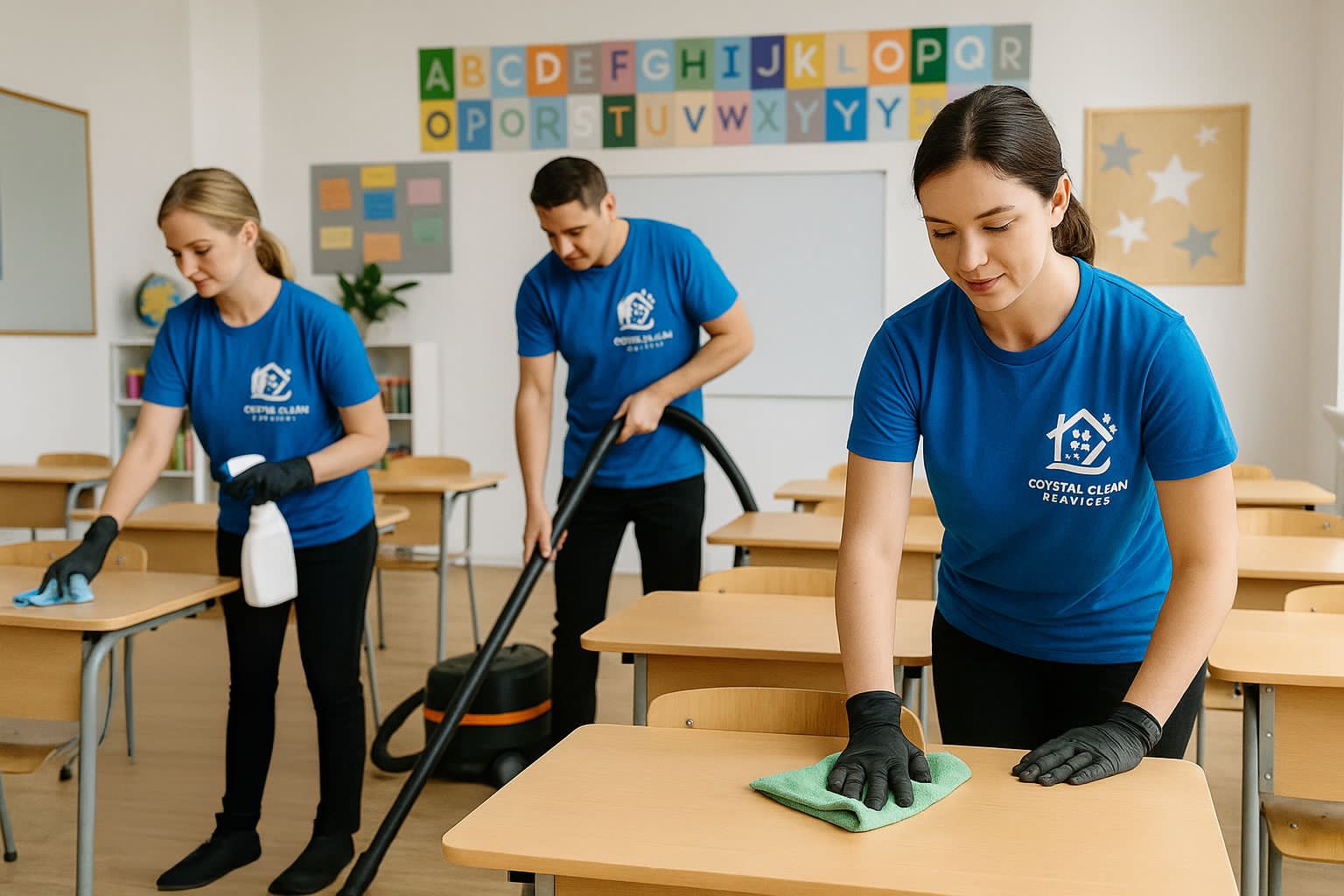
Education providers looking to strengthen hygiene standards should explore childcare cleaning services (read here) to better understand how professional cleaning practices help maintain safe, hygienic environments where children, students, educators, and visitors share common spaces throughout the day.
High-touch surfaces such as desks, door handles, handrails, shared equipment, and restroom facilities should be cleaned and disinfected regularly. Establishing structured cleaning schedules ensures these important areas receive consistent attention, particularly during busy weeks when buildings experience increased use.
Routine cleaning also helps minimise disruptions by preventing hygiene issues before they become larger concerns.
Maintaining consistent standards creates a healthier environment that supports learning and daily activities.
Encourage Good Hygiene Throughout The Facility
Professional cleaning is most effective when supported by good everyday hygiene practices. Providing hand sanitiser, encouraging regular handwashing, and ensuring cleaning supplies are readily available all contribute to a cleaner environment.
Staff should also monitor shared spaces throughout the day to identify areas requiring additional attention. Promptly addressing spills, waste, or heavily used surfaces helps reduce the spread of germs and keeps facilities looking well maintained.
Working together, cleaning teams and school staff can create a culture that values cleanliness and personal responsibility.
Small daily habits often make a significant difference over the course of a busy school term.
Review Cleaning Plans Regularly

Educational facilities should assess their cleaning schedules regularly to ensure they continue meeting changing demands. Special events, examinations, seasonal illnesses, and increased enrolment may all require adjustments to cleaning frequency or staffing.
Regular inspections and feedback from teachers, administrators, and facility managers can help identify opportunities for improvement and ensure cleaning standards remain consistently high.
Partnering with experienced professional cleaners also provides access to specialist knowledge, equipment, and procedures designed for educational environments.
Continuous review helps schools maintain safe, welcoming spaces throughout the year.
Conclusion
Keeping shared areas clean during busy weeks requires careful planning, consistent routines, and ongoing attention to hygiene. Regular cleaning, effective disinfection, and strong daily practices help create healthier environments where students and staff can learn and work with confidence.
By reviewing cleaning procedures regularly and investing in professional support where needed, schools and training centres can maintain high standards of cleanliness while reducing disruption and promoting the wellbeing of everyone who uses their facilities.