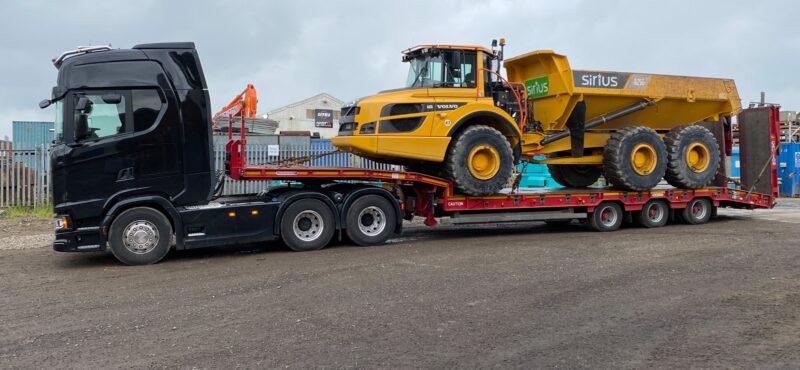
Moving heavy machinery is a complex task that requires careful planning, the right equipment, and a strong focus on safety. Whether you are relocating construction equipment, industrial machines, or agricultural tools, improper handling can lead to costly damage, delays, or serious injuries. Ensuring a smooth and efficient process begins with understanding the weight, dimensions, and specific requirements of the machinery being transported.
Preparation is key when dealing with heavy loads. From securing permits to choosing the correct transport method, every step plays a role in reducing risks and improving efficiency. With the right approach, moving even the largest machines can be done safely and without unnecessary complications.
Plan Every Step Before the Move
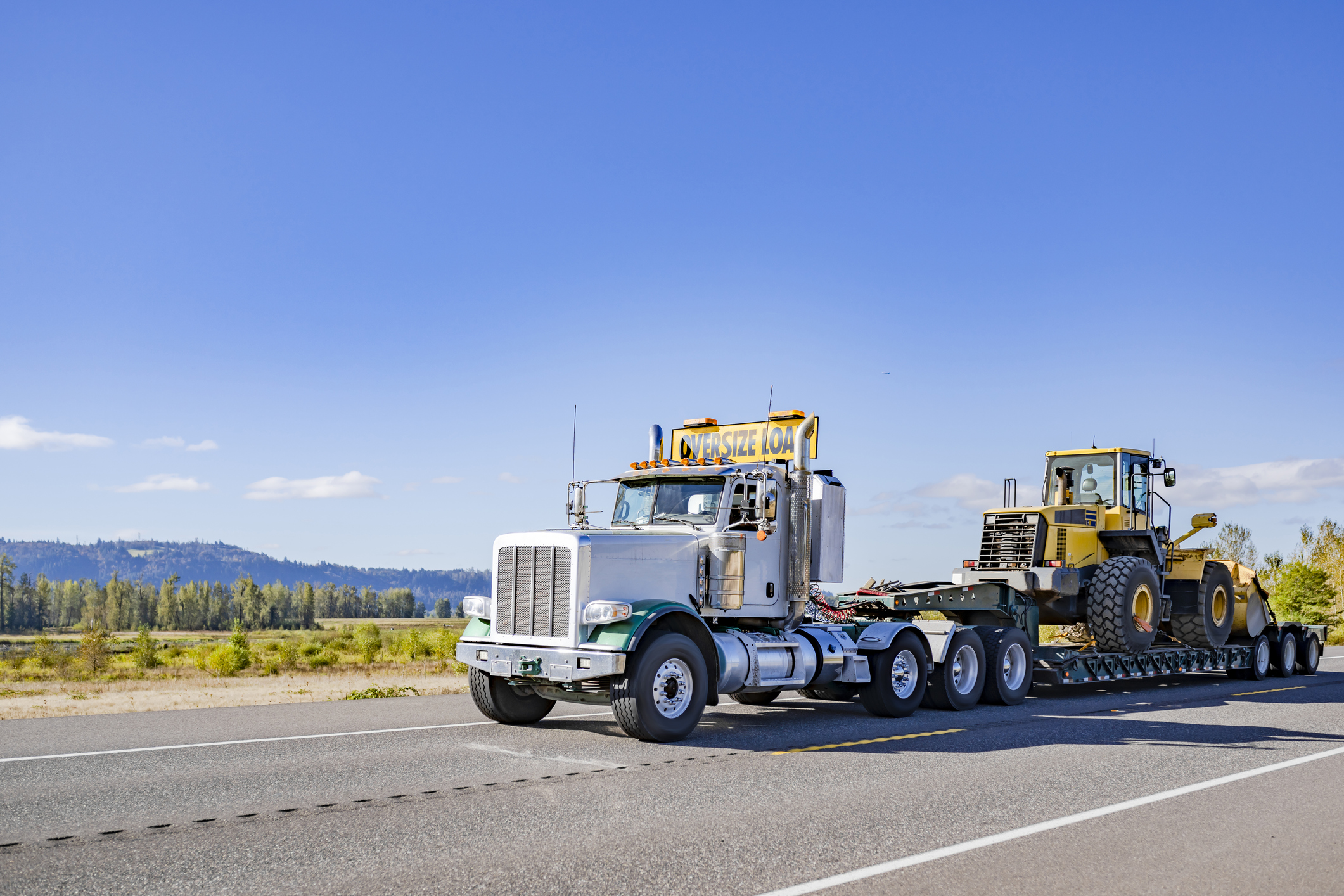
A successful machinery move starts with a detailed plan. Assess the size, weight, and shape of the equipment to determine what type of transport vehicle and lifting tools will be required. This is also the stage where you identify any potential obstacles, such as narrow roads, low bridges, or uneven terrain.
In many cases, permits may be required for transporting oversized loads. Checking local regulations ahead of time prevents delays and ensures compliance with safety standards. It is also important to create a clear timeline, allowing enough time for loading, transport, and unloading without rushing the process.
Communication among team members is essential. Everyone involved should understand their role and be aware of safety procedures. A well organized plan reduces confusion and helps prevent accidents during the move.
Use Proper Equipment and Secure the Load
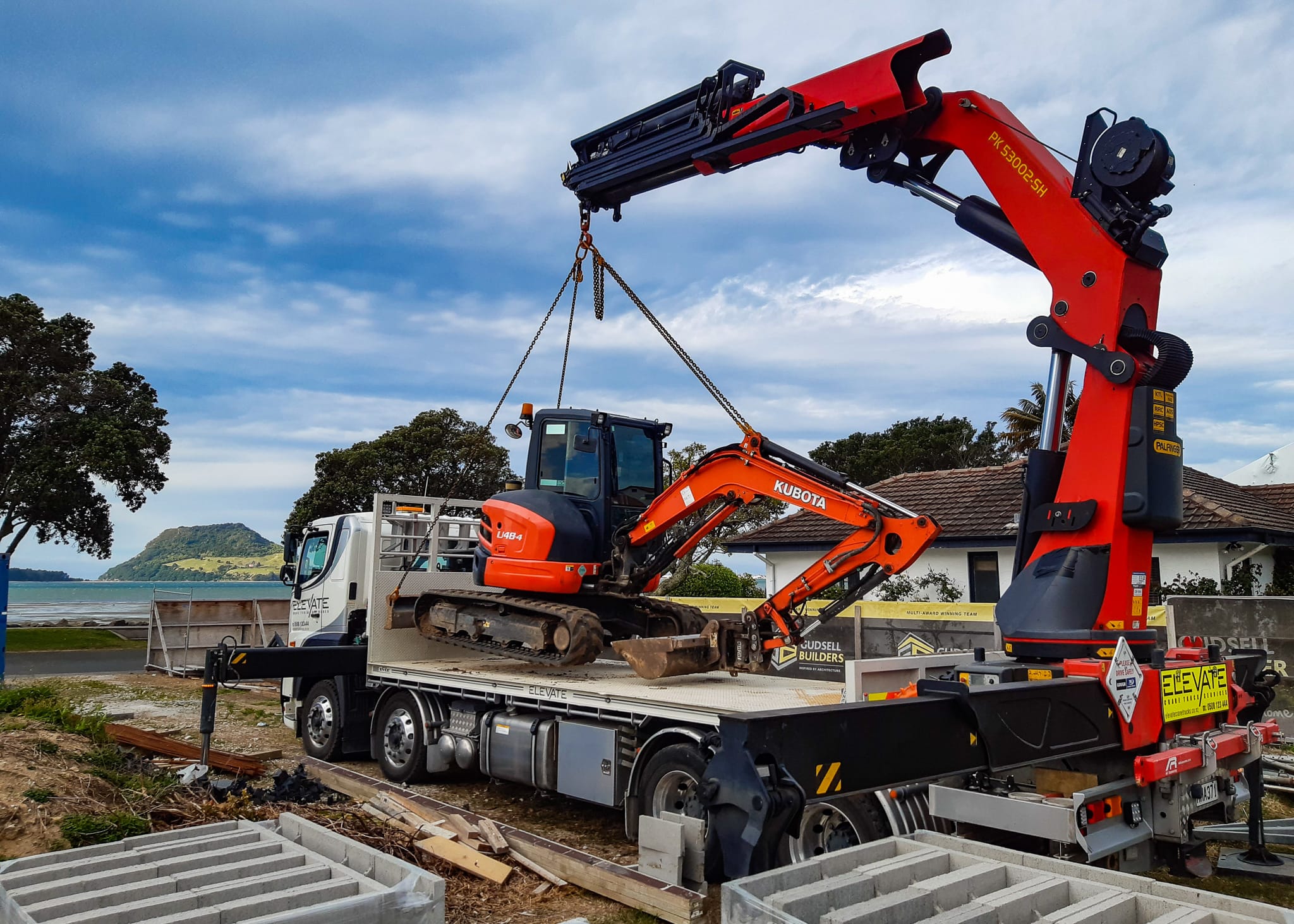
Choosing the right equipment is critical when handling heavy machinery. Cranes, forklifts, and specialized trailers are commonly used to lift and transport large items safely. Each piece of equipment should be inspected before use to ensure it is in good working condition.
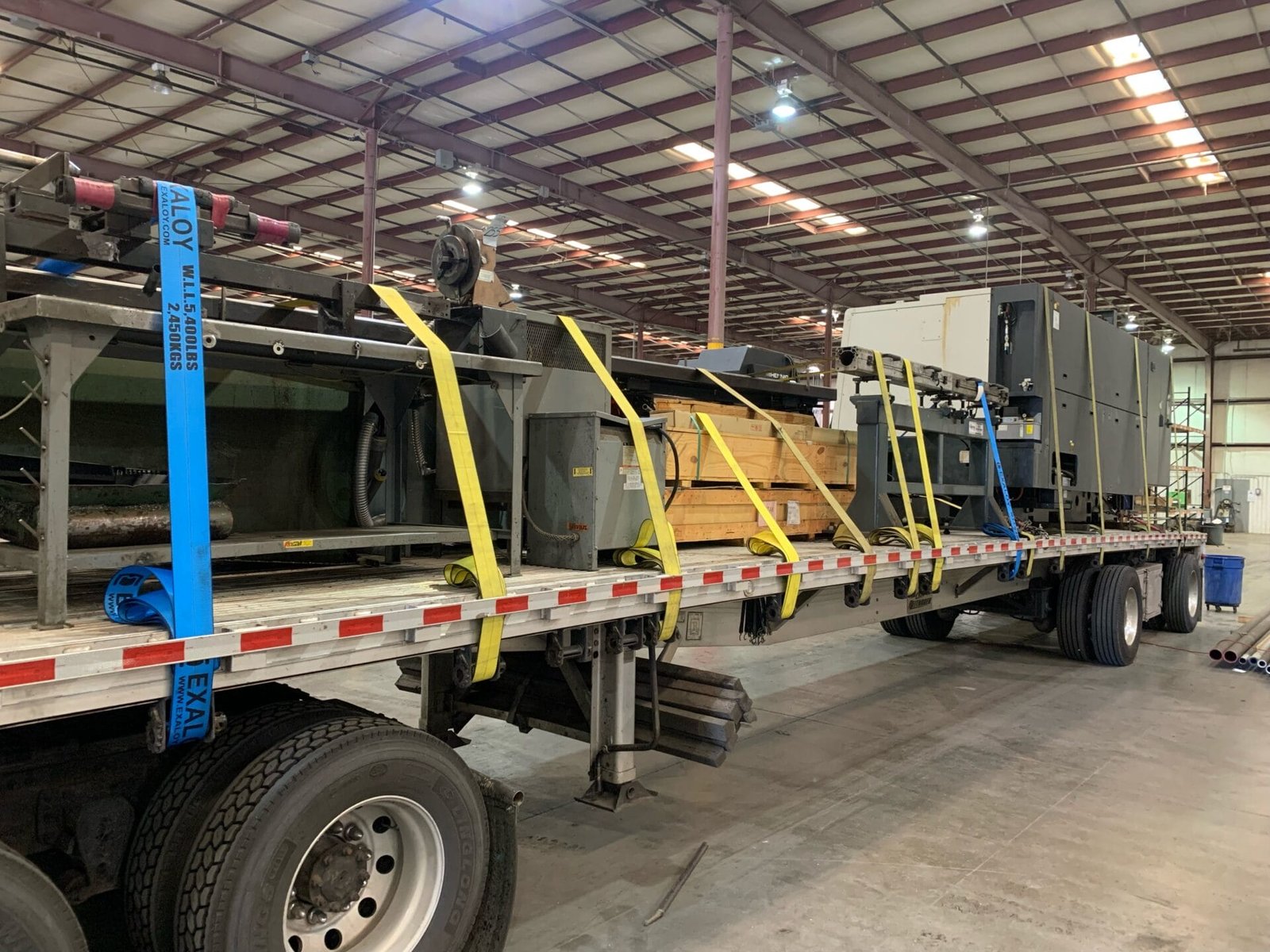
During transit, it is essential to use heavy machinery transport that is secure to prevent shifting or movement. Proper tie downs, chains, and straps should be used to keep the load stable at all times. Even slight movement during transit can cause damage to the machinery or create dangerous driving conditions.
Balancing the load is equally important. Weight should be distributed evenly across the transport vehicle to maintain stability and control. Taking the time to secure everything properly can prevent costly mistakes and ensure a smooth journey.
Prioritize Safety During Loading and Transport
Safety should always be the top priority when moving heavy equipment. During loading and unloading, only trained personnel should operate machinery such as cranes or forklifts. Clear signals and communication are necessary to coordinate movements and avoid misunderstandings.
Personal protective equipment such as helmets, gloves, and safety boots should always be worn. These items may seem basic, but they provide essential protection in high risk environments. Establishing a safety zone around the machinery also helps keep bystanders at a safe distance.
While transporting the machinery, drivers should maintain a steady speed and avoid sudden movements. Sharp turns, abrupt braking, or uneven roads can increase the risk of load shifting. Careful driving ensures both the safety of the cargo and everyone on the road.
Conclusion
Moving heavy machinery safely and efficiently requires careful planning, the right tools, and strict attention to safety procedures. By preparing in advance, securing the load properly, and following best practices during transport, you can minimize risks and avoid unnecessary delays. With the right approach, even the most challenging machinery moves can be completed smoothly and successfully.