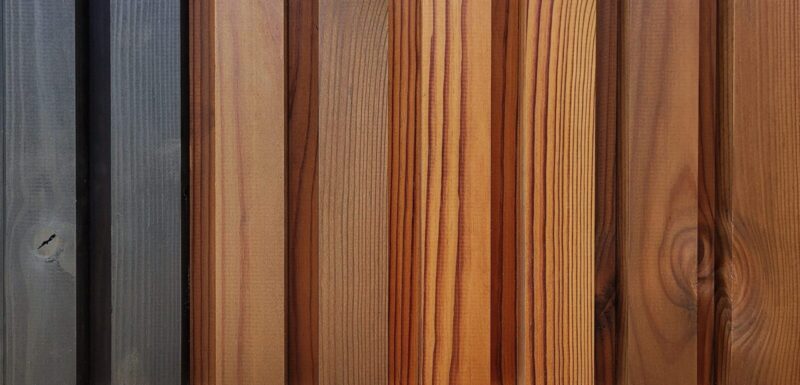
Timber is a beautiful and sustainable building material, but it also presents fire performance challenges that must be addressed under modern building regulations. To meet fire safety standards, especially in commercial, public, and high-occupancy spaces, timber surfaces often require compliant fire protection coatings. These coatings help delay ignition, reduce flame spread, and maintain structural integrity during fire exposure. Understanding the differences between Group 1 and Group 2 timber fire compliance coatings — and when each is required — is essential for architects, builders, and compliance teams.
What Group 1 and Group 2 classifications mean in fire compliance

Fire compliance classifications for timber coatings are based on how materials perform under standardised fire tests. These classifications influence where and how timber can be used in construction, particularly when regulatory requirements are strict.
A Group 1 fire rating represents the highest level of performance. Materials in this category exhibit the best resistance to flame spread, surface combustion, and smoke development when tested. Group 1 coatings are typically required in high risk or high occupancy areas where stringent fire protection is mandated. These include public buildings, educational facilities, healthcare environments, and areas with large volumes of people moving through confined spaces.
Group 2 coatings offer moderate fire performance and are suitable for applications with less demanding fire safety requirements. They still provide enhanced protection compared to untreated timber, but their flame spread characteristics are not as restrictive as Group 1 materials. Group 2 coatings are often specified in residential developments, low-risk commercial spaces, and interior design elements where compliance does not require the highest fire rating.
Products from trusted suppliers like Fireshield are tested and certified to meet these classifications, ensuring that architects and builders can select appropriate coating systems with confidence.
How compliant coatings enhance fire performance
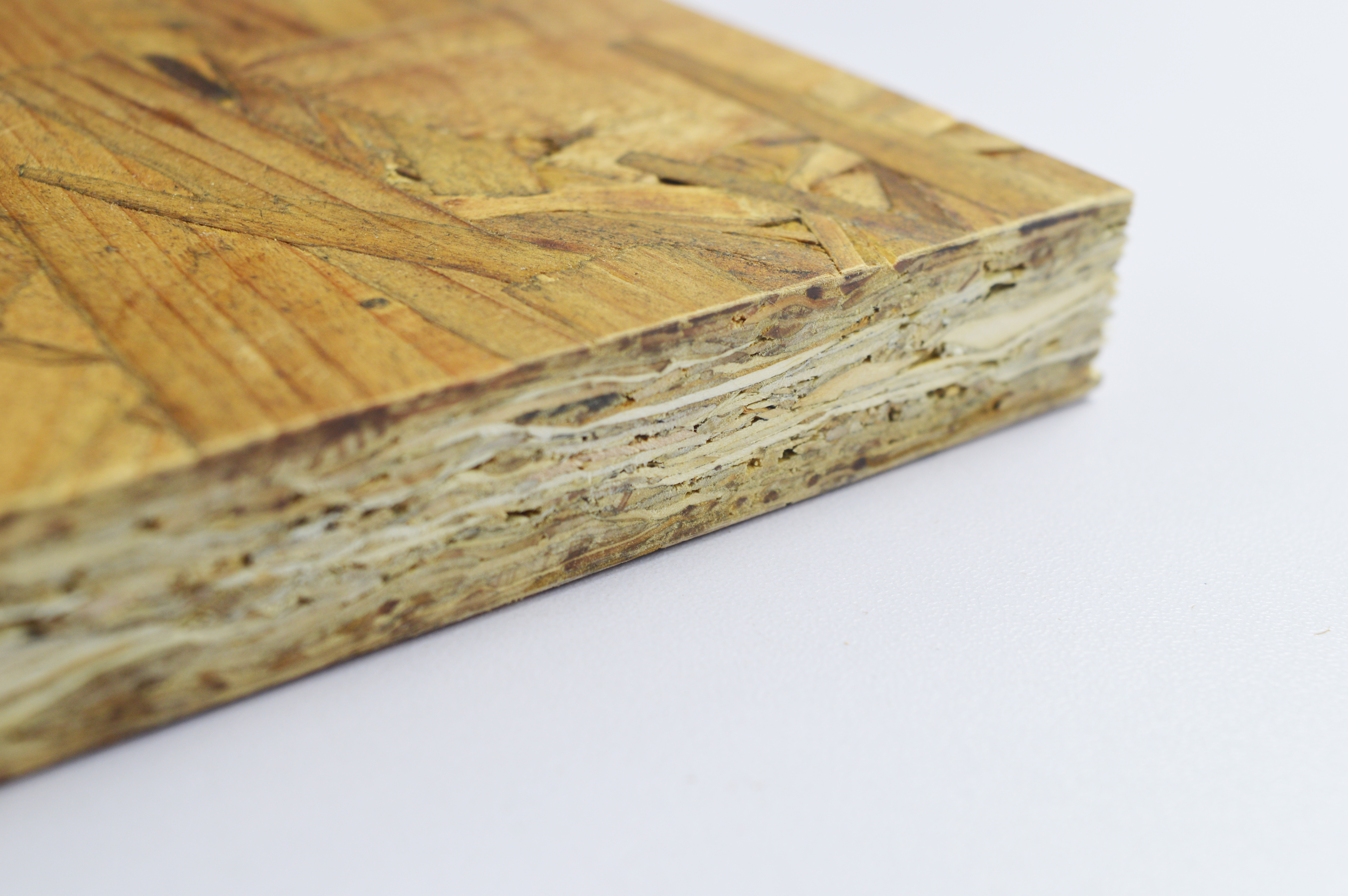
Timber by itself can ignite and burn rapidly when exposed to heat or flame. Fire compliance coatings significantly change this behaviour by slowing the rate at which fire spreads across the surface. These coatings work through different mechanisms depending on their formulation:
In intumescent coatings, heat causes the material to expand and form a protective char layer. This char insulates the timber beneath, delaying combustion and providing occupants and emergency responders with valuable extra time.
Other fire retardant coatings may incorporate chemical additives that interrupt the combustion process, reduce heat release, and lower smoke emissions. While these may not form a char layer, they still improve compliance performance and can contribute to achieving a Group 2 rating.
Correct application is critical. Coatings must be applied at specified thicknesses and with approved methods to ensure they achieve their rated performance. Manufacturers typically provide technical datasheets that outline application procedures, coverage rates, and testing results.
Choosing the right classification for your project
Selecting between Group 1 and Group 2 fire compliance coatings depends on both regulatory requirements and the intended occupancy of the space. Building codes, engineering specifications, and local fire authorities define where each classification is acceptable.
For public buildings, egress corridors, and high occupancy zones, Group 1 ratings are often non-negotiable. These coatings support higher performance criteria for flame spread and smoke control. Architects and compliance consultants work closely with suppliers like Fireshield to specify coatings that meet both aesthetic and regulatory needs.
In spaces with lower fire risk, Group 2 coatings may be permitted. This classification still improves the fire performance of timber elements but reflects a balance between protection, cost, and design flexibility. Proper documentation and product certification are essential to demonstrate compliance during building approvals and inspections.
Conclusion
Group 1 and Group 2 timber fire compliance coatings play a vital role in ensuring that timber construction meets modern safety standards. Recognising the differences between classifications, and selecting coatings that align with regulatory requirements and occupancy risk, protects both people and buildings. Fireshield and similar certified products provide tested solutions that help design teams achieve compliance while maintaining the aesthetic and environmental benefits of timber. Proper selection, application, and certification are key to delivering safe, compliant, and high performance timber structures.