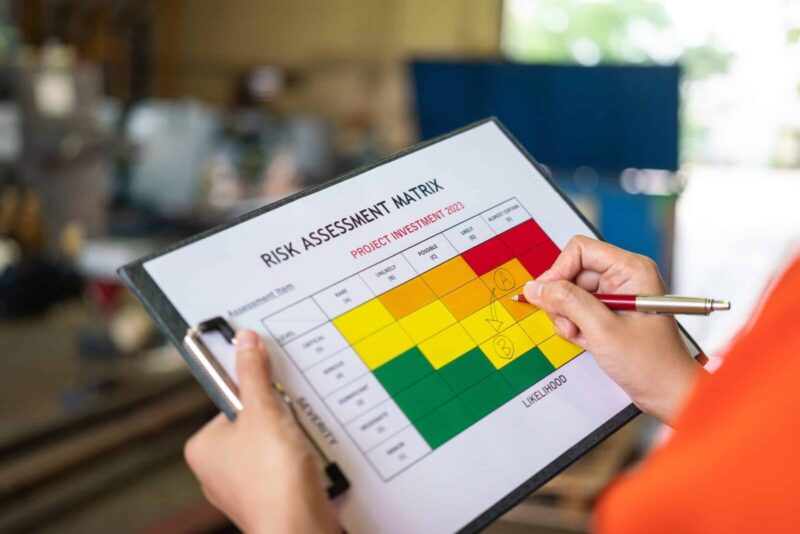
Renovating, leasing, or selling a property often involves careful planning, legal obligations, and financial decisions. One important aspect that is sometimes overlooked is fire safety. Reviewing fire risks before major property changes can help identify potential hazards, support regulatory compliance, and reduce the likelihood of unexpected costs later in the process.
Whether the property is residential, commercial, industrial, or mixed-use, understanding existing fire safety measures provides valuable insight into the condition of the building. Addressing issues before renovation or transfer of ownership also helps prevent delays and improves confidence for all parties involved.
Taking a proactive approach to fire safety supports both property value and long-term building performance.
Identify Potential Risks Before Major Changes
Property owners planning renovations or preparing a building for lease or sale should consider a fire risk assessment (click here) to identify potential hazards, review existing fire safety measures, and determine whether improvements may be required before significant property changes take place.
A professional assessment reviews factors such as fire detection systems, escape routes, emergency lighting, fire protection equipment, and other elements that contribute to occupant safety. Identifying concerns early allows owners to address them before construction begins or new occupants move into the building.
Early action can reduce project delays while helping owners make informed decisions about future upgrades and maintenance.
Understanding existing fire risks provides greater confidence throughout the property lifecycle.
Support Compliance And Protect Investment
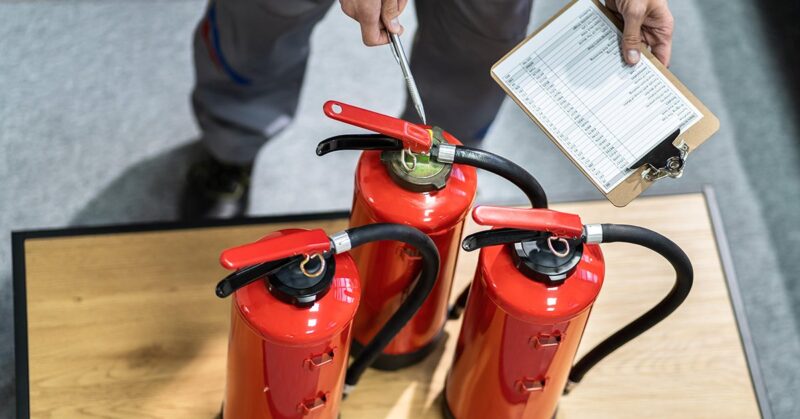
Building regulations and fire safety responsibilities may vary depending on the property’s use and occupancy. Reviewing fire safety before leasing or selling allows owners to better understand whether the building continues to meet applicable requirements.
Addressing potential issues before transactions or renovations can also reduce the likelihood of unexpected expenses, contractual disputes, or project delays. Well-maintained fire safety systems contribute to a safer environment while protecting the long-term value of the property.
Proactive planning helps owners manage risk more effectively throughout ownership and future development.
Investing in fire safety today may help avoid much larger costs later.
Prepare The Property For The Future

Buildings often change over time as tenants, layouts, or operational requirements evolve. Reviewing fire safety regularly helps ensure protection measures remain appropriate for the property’s current use while supporting future flexibility.
Keeping accurate records of inspections, maintenance, and assessments also provides valuable documentation for owners, facility managers, and future purchasers. This information supports ongoing building management and demonstrates a commitment to responsible property ownership.
Long-term planning strengthens both safety and operational reliability.
Regular reviews help ensure buildings remain safe, functional, and ready for future opportunities.
Conclusion
Reviewing fire risk before renovating, leasing, or selling a property is an important step in protecting occupants, maintaining compliance, and safeguarding long-term investment. Early assessment allows potential hazards to be identified and addressed before they become costly problems.
By making fire risk evaluation part of every major property decision, owners can improve building safety, support smoother project delivery, and create greater confidence for tenants, buyers, and other stakeholders.