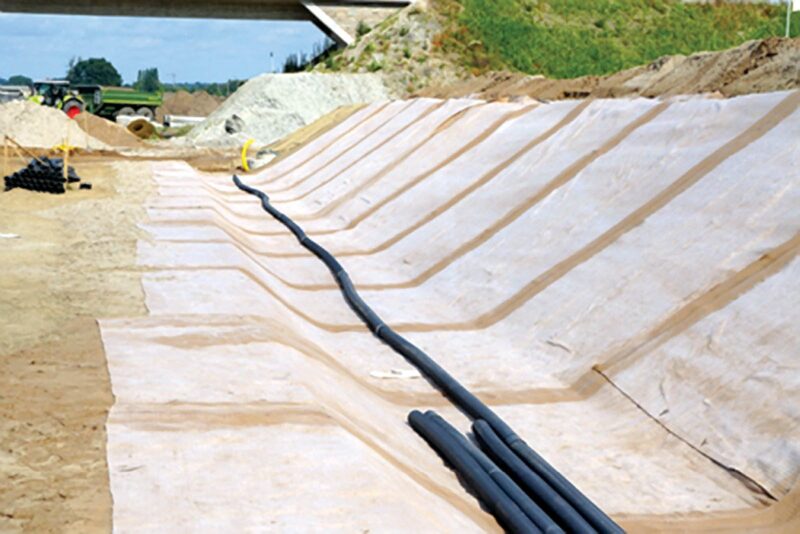
Geosynthetic clay liners have become an important solution in environmental protection, waste management, mining, and civil engineering projects. These engineered barrier systems are designed to help prevent the movement of liquids and contaminants through soil, making them valuable in applications where containment and environmental compliance are critical.
Compared to traditional compacted clay barriers, geosynthetic clay liners often provide a more efficient and practical installation process while maintaining strong sealing performance. Understanding their uses, benefits, and installation requirements can help project teams make informed decisions when selecting containment systems.
Common Applications Of Geosynthetic Clay Liners
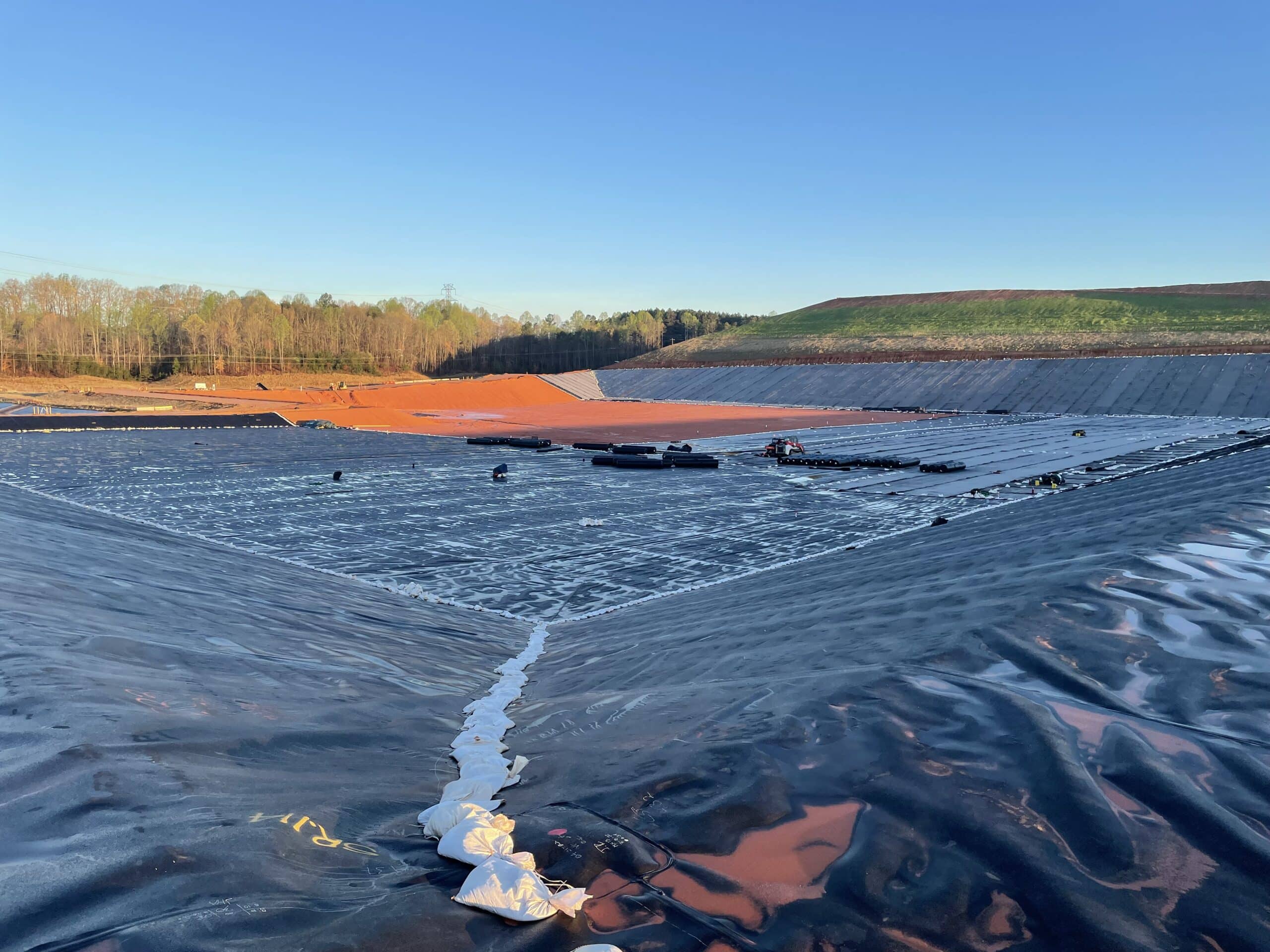
Professionals seeking insights into geosynthetic clay liner technology should first understand its wide range of applications across infrastructure and environmental projects.
Geosynthetic clay liners are commonly used in landfill containment systems, mining operations, wastewater treatment facilities, ponds, reservoirs, canals, and environmental remediation projects. Their primary purpose is to create a low-permeability barrier that helps reduce the migration of liquids and pollutants into surrounding soil and groundwater.
Because they are manufactured under controlled conditions, these liners often provide more consistent performance than naturally sourced clay materials.
Key Benefits Of Using Geosynthetic Clay Liners
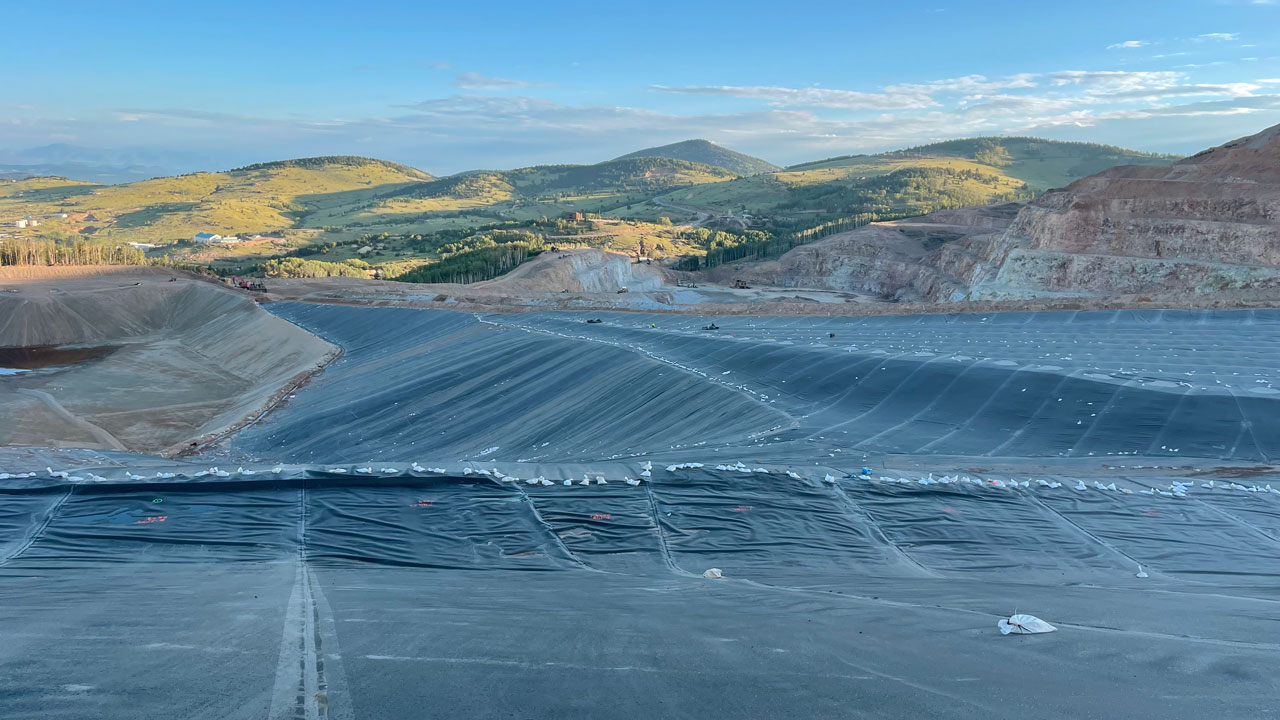
One of the main advantages of geosynthetic clay liners is their ability to provide effective containment while reducing installation complexity. The bentonite clay contained within the liner expands when exposed to moisture, creating a highly effective hydraulic barrier.
These systems are generally lighter and easier to transport than large volumes of compacted clay, which can reduce construction time and project costs. Their factory-manufactured design also helps improve quality consistency across large installations.
In many projects, geosynthetic clay liners can reduce the amount of excavation, material handling, and earthmoving equipment required, providing both economic and operational benefits.
Important Installation Considerations
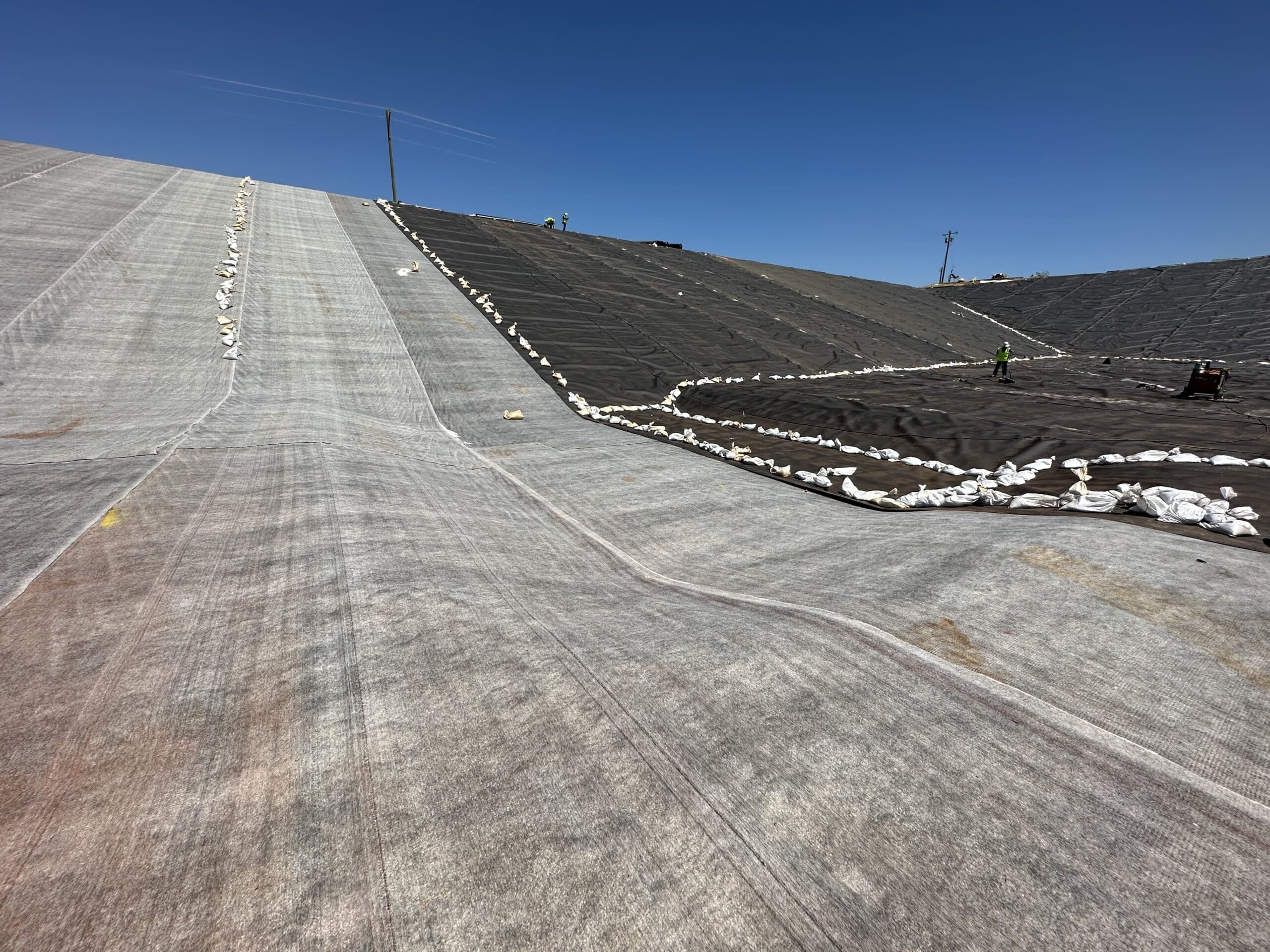
Proper installation plays a critical role in the long-term performance of any geosynthetic clay liner system. The subgrade must be prepared carefully to provide a smooth and stable surface free from sharp objects, debris, or significant irregularities.
Installation crews must pay close attention to panel overlaps, seam integrity, and weather conditions during deployment. Excessive moisture, standing water, or poor surface preparation can affect installation quality and overall liner performance.
Quality assurance inspections are often conducted throughout the installation process to verify that the liner has been placed correctly and meets project specifications. Proper protection layers may also be required depending on site conditions and the intended application.
Conclusion
Geosynthetic clay liners provide an effective containment solution for a wide variety of environmental and civil engineering projects. Their combination of low permeability, efficient installation, and consistent manufacturing quality makes them a popular alternative to traditional clay barriers.
By understanding their applications, benefits, and installation requirements, project teams can select and implement geosynthetic clay liner systems that support long-term environmental protection and regulatory compliance.